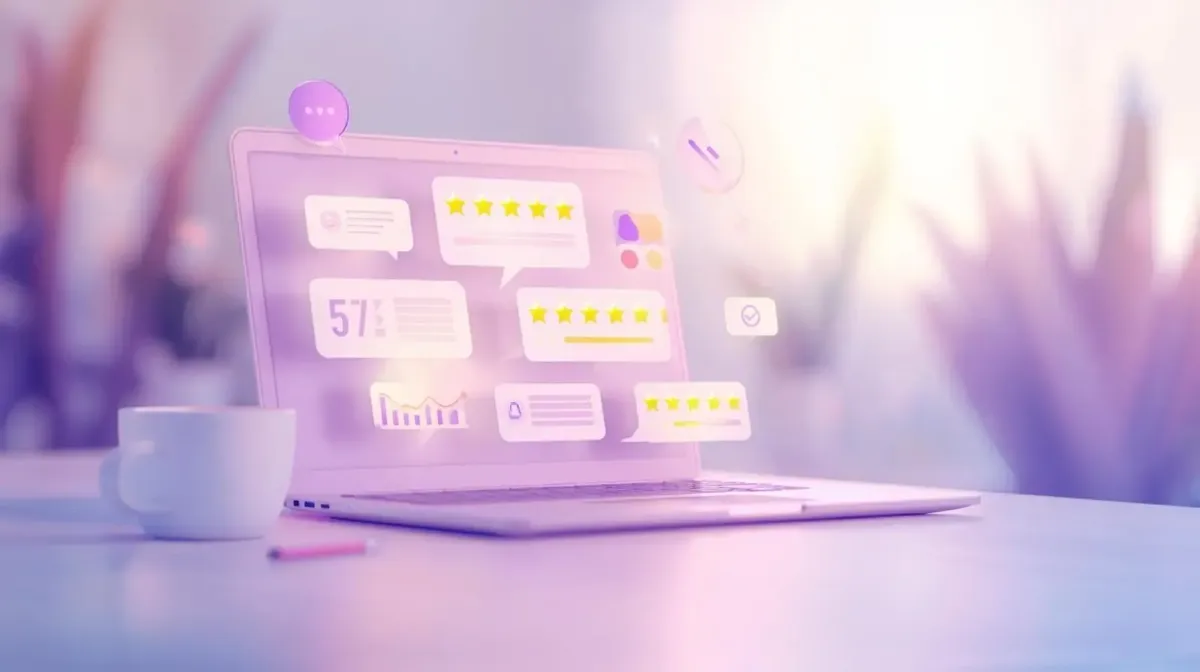
How Does Social Proof Increase Trust in Digital Marketing Campaigns?
Let’s be honest for a moment.
When was the last time you bought something online without checking reviews, testimonials, or comments first?
Probably not recently.
That instinct — the need to see what other people think before we commit — is exactly why social proof works so well in digital marketing. It’s not a tactic. It’s human behaviour.
In this article, we’ll break down how social proof increases trust in digital marketing campaigns, why the importance of social proof keeps growing year after year, and how businesses can use it naturally — without sounding fake, forced, or overly “salesy.”
This is written in the InGrowth style: practical, honest, conversion-focused, and built around how real people actually make decisions online.
The Importance of Social Proof: Why We Trust People More Than Brands
The importance of social proof comes down to one simple truth:
People trust people. Not promises.
Your audience doesn’t wake up thinking, “Which brand should I believe today?”
They think, “Has this worked for someone like me?”
In digital marketing, social proof answers that question instantly.
It shows:
You’re not new or risky
Others have already taken the step
The outcome was worth it
And when uncertainty drops, trust grows.
What Social Proof Really Means (In Real Life Terms)

Social proof isn’t just reviews or five-star ratings.
It’s any signal that tells a potential customer:
“You’re not the first person here — and you won’t regret it.”
That includes:
A short testimonial from a real client
A comment under a post saying “This helped a lot”
A case study explaining what changed after working with you
A visible number of customers, users, or bookings
Someone respected in your industry mentioning your brand
None of this feels like marketing when done right. It feels like reassurance.
How Social Proof Builds Trust — Step by Step
1. It Removes Fear Without Pushing
Most people don’t avoid buying because they’re not interested.
They avoid buying because they’re unsure.
Social proof quietly removes that fear.
When someone sees:
“Rated 4.9 by 300+ customers”
“We helped 120+ businesses grow”
“Here’s what happened after 30 days”
They stop thinking about what could go wrong and start imagining what could go right.
That mental shift is powerful.
2. It Turns Claims Into Evidence
Anyone can say:
“We’re experts.”
But social proof says:
“Here’s proof.”
This is why the importance of social proof is especially high for:
Service businesses
Agencies
SaaS products
High-ticket offers
When decisions take time and money, trust matters more than features.
3. It Feels Honest When Marketing Feels Noisy
People are tired of being sold to.
Social proof doesn’t feel like selling — it feels like listening in on a conversation.
Instead of “Buy this now”, the message becomes:
“Here’s what happened for someone else.”
And that feels safe.
Types of Social Proof That Build the Most Trust
1. Testimonials That Sound Human (Not Polished)
The best testimonials aren’t perfect.
They include:
Small details
Real frustrations
Clear before-and-after moments
Short, honest testimonials outperform long, scripted ones every time.
2. Reviews and Ratings People Can Verify
Google reviews, Trustpilot, industry platforms — these matter because they’re independent.
Even seeing a few mixed reviews can actually increase trust, because perfection feels fake.
3. Case Studies That Tell a Story
Case studies work because they follow a natural story:
Where the client started
What wasn’t working
What changed
What results looked like
They help prospects picture themselves in the same situation.
4. User-Generated Content (UGC)
Screenshots. Videos. Comments. Mentions.
UGC works because it wasn’t created to “convert.”
It was created because someone cared enough to share.
That authenticity is hard to beat.
5. Expert or Influencer Mentions (When Relevant)
Endorsements only work when there’s alignment.
If the person recommending you already has trust, some of that trust transfers to your brand — naturally.
Why the Importance of Social Proof Is Bigger Than Ever
Social proof isn’t new — but it’s more important now than it’s ever been.
Here’s why:
1. People Are More Skeptical Online
Everyone has been burned by:
Overpromising ads
Fake gurus
“Too good to be true” offers
Social proof acts as a filter. It helps users decide who’s real.
2. AI Content Is Everywhere
As AI-generated content grows, people look for human signals:
Faces
Voices
Experiences
Social proof reassures them that a real business stands behind the message.
3. Competition Is One Click Away
If trust isn’t built quickly, users leave.
Social proof shortens decision time and keeps attention where it matters.
How Social Proof Improves Campaign Results
When trust increases, numbers usually follow.
Businesses often see:
Higher click-through rates
Lower bounce rates
Better lead quality
More enquiries from the same traffic
Why?
Because people aren’t just clicking — they’re believing.
Where Social Proof Works Best in Digital Campaigns
Landing Pages
Testimonials near CTAs
Logos or trust badges under the hero section
Simple stats (“500+ clients helped”)
Paid Ads
Short review snippets
UGC-style visuals
“Rated ⭐⭐⭐⭐⭐ by…” copy
Email Campaigns
Small quotes before links
Success stories inside nurture sequences
SEO Content
Referencing real outcomes
Linking to case studies
Quoting clients naturally
Common Social Proof Mistakes (That Hurt Trust)

Using fake or generic testimonials
Overloading pages with too many logos
Showing proof that doesn’t match your audience
Hiding testimonials at the very bottom
Social proof should support the journey — not distract from it.
What If You Don’t Have Much Social Proof Yet?
Everyone starts somewhere.
You can build trust by:
Asking early customers for feedback
Sharing honest progress updates
Highlighting small wins
Being transparent about your process
You don’t need hundreds of testimonials.
You need real ones.
Final Thoughts: Why the Importance of Social Proof Can’t Be Ignored
The importance of social proof isn’t about trends or tactics.
It’s about how people feel when making decisions.
Social proof:
Reduces fear
Builds confidence
Creates emotional safety
And in digital marketing, emotional safety converts better than any headline ever will.


