10 Marketing Predictions for 2026: What Smart Businesses Should Prepare for Now
TOC
Why Marketing in 2026 Will Feel Different
1. How Marketing Is Shifting Away From Generic Messaging in 2026
2. How AI Will Support Better Marketing Decisions in 2026
3. Why Trust Will Play a Bigger Role in Marketing Performance in 2026
4. Why Consistent Branding Will Matter More Than Constant Creativity in 2026
5. How SEO Is Becoming More About Clarity Than Keywords in 2026
6. Why First-Party Data Will Be Essential for Marketing Growth in 2026
7. How Performance Marketing Is Becoming More Human Again in 2026
8. Why Local and Niche Marketing Will Drive Better Results in 2026
9. How Websites Are Shifting From Visual Design to Clear Purpose in 2026
10. How Marketing Teams Are Becoming Smaller but More Strategic in 2026
What These Marketing Predictions for 2026 Mean for Small Businesses
How to Prepare for 2026 Without Rebuilding Everything
Final Thoughts: Marketing in 2026 Is About Better Decisions, Not More Activity
Marketing in 2026 will not reward businesses that simply “do more”.
More posts.
More ads.
More tools.
That approach is already expensive — and it’s becoming less effective every year.
Instead, the businesses that grow in 2026 will be the ones that focus on clarity, trust, and smart execution. Not hype. Not shortcuts. Not trends for the sake of trends.
In this article, written from the perspective of an InGrowth content and growth strategy expert, we break down 10 realistic, SEO-driven marketing predictions for 2026 — with clear explanations, examples, and practical takeaways you can actually use.
This is not theory.
This is what we already see happening across small businesses, service brands, and local markets — especially in the UK.
Why Marketing in 2026 Will Feel Different
Before diving into predictions, it’s important to understand one thing:
Marketing isn’t changing because of one big trend.
It’s changing because customer expectations have changed.
People now expect:
Clear answers
Honest messaging
Proof, not promises
Brands that feel human, not automated
AI, automation, and new platforms are tools — but trust and relevance are still the drivers.
With that in mind, here are the 10 marketing predictions for 2026 that matter most.
1. How Marketing Is Shifting Away From Generic Messaging in 2026
For years, generic marketing worked well enough.
Businesses used similar headlines, similar funnels, and similar promises — and still got results. That era is ending.
By 2026, audiences are far more aware of how marketing works. They can immediately recognise:
Templated messaging
Overused phrases
Content that sounds like it could apply to any business
When everything sounds the same, nothing stands out.
What’s changing in 2026
Marketing is shifting away from broad, catch-all messaging and moving toward:
Clear positioning
Audience-specific language
Real examples and context
Content written for one type of customer, not everyone
This doesn’t mean marketing needs to be complex. It means it needs to be intentional.
Instead of saying:
“We help businesses grow”
Winning brands are saying:
“We help [specific audience] solve [specific problem] in [specific way]”
That level of clarity immediately builds relevance and trust.
Why generic messaging will struggle
Generic marketing creates three problems:
It fails to connect emotionally
It increases competition because everyone sounds the same
It forces businesses to spend more on ads to compensate for low relevance
In 2026, relevance will matter more than reach.
Businesses that continue to rely on vague messaging will see:
Lower engagement
Higher cost per lead
Shorter attention spans
Not because their product is bad — but because their message isn’t clear enough.
What will work instead
Marketing that performs well in 2026 will:
Speak directly to a defined audience
Address real pain points clearly
Use simple, human language
Show understanding, not just expertise
This is especially important for small and service-based businesses, where trust and relevance matter more than brand size.
Prediction: Brands that move away from generic messaging and toward focused, audience-specific communication will see stronger engagement and more efficient growth in 2026.
2. How AI Will Support Better Marketing Decisions in 2026
AI is not going away — but the way businesses use it is changing.
In 2024 and 2025, most teams used AI mainly for execution tasks, such as:
Writing blog posts
Generating ad copy
Creating social media captions
In 2026, AI’s real value will sit behind the scenes.
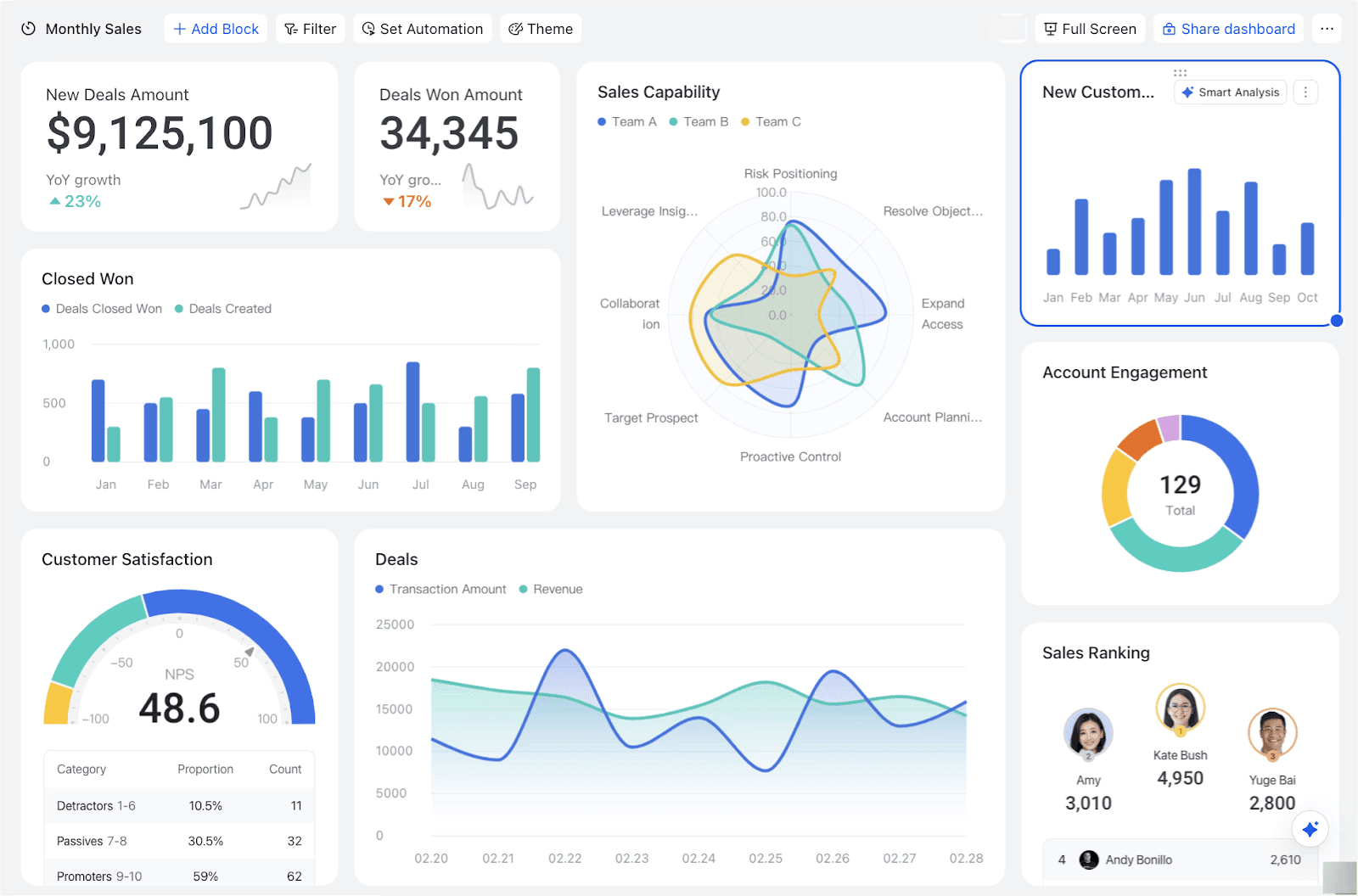
Instead of asking AI to create more content, marketers will increasingly use it to:
Analyse campaign performance
Identify where users drop off
Spot patterns across channels
Highlight what needs attention first
The strongest marketing teams will use AI to think more clearly, not just to publish faster.
Prediction: In 2026, AI becomes a decision-support tool, not a replacement for strategy or human judgement.
3. Why Trust Will Play a Bigger Role in Marketing Performance in 2026
Traffic alone will not fix weak marketing.
In 2026, trust will matter more than:
Reach
Frequency
Ad spend
Customers are becoming more careful about where they spend their money and attention. Before taking action, they increasingly look for:
Reviews
Case studies
Clear pricing
Honest explanations of what to expect
This applies across all channels — websites, ads, emails, and landing pages.
Businesses that clearly show proof, rather than relying on bold claims, will convert better with the same traffic.
You can see this clearly in practice by reviewing InGrowth’s marketing case studies and portfolio:
https://ingrowth.io/marketing-case-studies-portfolio
In these examples, trust-led messaging consistently outperforms generic promotion.
Prediction: Brands with strong trust signals will outperform brands with larger budgets but weaker credibility.
4. Why Consistent Branding Will Matter More Than Constant Creativity in 2026
In recent years, many businesses chased:
New trends
New formats
Viral ideas
In 2026, consistency will matter more than constant experimentation.
Not boring consistency — but recognisable, reliable branding.
Customers respond better to brands that:
Look the same across channels
Sound the same in ads and emails
Feel familiar over time
This is especially important for:
Local businesses
Service providers
Small brands competing with larger companies
Consistency reduces friction. It helps people trust faster and decide with less effort.
Prediction: Businesses with clear brand systems will see stronger long-term results than those constantly reinventing themselves.
5. How SEO Is Becoming More About Clarity Than Keywords in 2026

SEO is still important — but keyword stuffing is not.
Search engines and AI-powered results are now prioritising:
Clear structure
Direct answers
Helpful depth
Logical content flow
In 2026, SEO content that performs well will:
Answer real questions clearly
Use simple, natural language
Be easy to scan and understand
Focus on user intent rather than keyword density
This shift closely matches how people actually read online.
Prediction: Clear, helpful content will outperform technically over-optimised pages.
6. Why First-Party Data Will Be Essential for Marketing Growth in 2026
Privacy changes are not slowing down.
By 2026:
Third-party tracking will be less reliable
Paid traffic will be harder to optimise without context
Businesses without owned data will struggle to improve performance
Forward-thinking businesses are already investing in:
Email lists
CRM systems
Direct customer relationships
Lead nurturing processes
When you don’t own your audience, you pay more for every interaction.
Prediction: Businesses that delay building first-party data strategies will face rising acquisition costs in 2026.
7. How Performance Marketing Is Becoming More Human Again in 2026

For a period of time, performance marketing became overly technical:
Dashboards over messaging
Automation over clarity
Metrics over meaning
In 2026, the balance is shifting back.
High-performing campaigns will combine:
Strong, clear messaging
Clear value propositions
Emotional relevance
Data-driven optimisation
Ads that feel human and relatable will outperform ads that feel engineered or generic.
This also means avoiding mistakes that quietly hurt results — many of which are covered in 5 common digital marketing mistakes.
Prediction: Human-first performance marketing will outperform purely technical setups.
8. Why Local and Niche Marketing Will Drive Better Results in 2026
Broad targeting is becoming more expensive and less effective.
In 2026, sustainable growth will come from:
Local relevance
Niche positioning
Clear audience definition
This is particularly true for:
UK small businesses
Service-based brands
Location-dependent services
When messaging feels relevant, conversion rates improve — even when the audience size is smaller.
Prediction: Narrower focus will lead to higher-quality leads and better ROI.
9. How Websites Are Shifting From Visual Design to Clear Purpose in 2026
Many websites still try to impress rather than guide.
In 2026, high-performing websites will:
Answer key questions early
Reduce friction
Highlight trust signals clearly
Focus on one or two clear actions
Design will still matter — but usability, clarity, and structure will matter more.
This shift is especially visible in service-based websites and lead-generation pages.
Prediction: Purpose-driven websites will outperform visually complex ones.
10. How Marketing Teams Are Becoming Smaller but More Strategic in 2026
AI and automation will not remove marketers — but roles will continue to evolve.
In 2026:
Fewer people will manually execute every task
More focus will be placed on strategy and optimisation
Systems thinking will matter more than channel-specific skills
Businesses will increasingly value marketers who understand:
Funnels
Messaging
Data interpretation
Long-term growth systems
Prediction: Strategy-first marketers will be in the highest demand.
What These Marketing Predictions for 2026 Mean for Small Businesses
Across all predictions, one theme is clear:
Marketing in 2026 rewards clarity, trust, and consistency — not volume.
Small businesses that:
Define their positioning
Build trust systematically
Focus on their audience
Use tools wisely
…will compete effectively without needing massive budgets.
This is especially relevant for sectors like childcare, education, and local services, where trust and clarity matter more than aggressive promotion. Many businesses in these spaces begin by booking a free nursery marketing consultancy to assess where they stand before scaling.
How to Prepare for 2026 Without Rebuilding Everything
You don’t need a full rebrand or a brand-new tech stack.
Start with:
Clear messaging
Strong trust signals
Consistent branding
Better content structure
Smarter use of data
Small, intentional improvements compound quickly.
Final Thoughts: Marketing in 2026 Is About Better Decisions, Not More Activity
The brands that grow in 2026 will not be the loudest.
They will be the clearest.
They will:
Understand their audience
Communicate simply
Build trust intentionally
Use technology to support decisions, not replace thinking
Marketing is becoming more human again — just with better tools behind the scenes.


